Living with Hypothyroidism: A Comprehensive Guide to Thriving
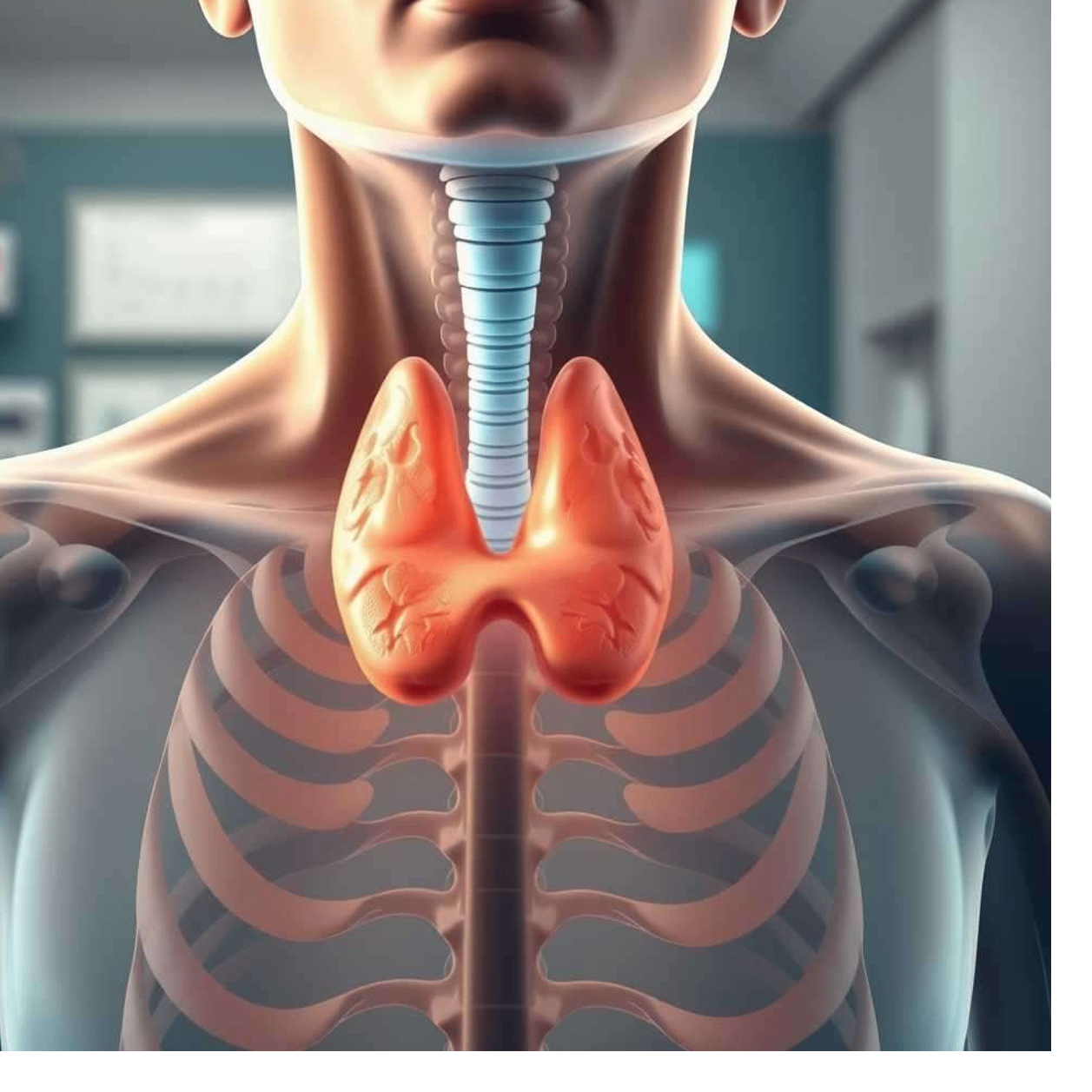
What is Hypothyroidism?
Hypothyroidism is a common but often misunderstood endocrine disorder that affects millions worldwide. It occurs when the thyroid gland, a small butterfly-shaped gland in the neck, fails to produce enough thyroid hormones. These hormones are crucial for regulating the body's metabolism, and their deficiency leads to a slowdown of bodily functions. This can manifest as fatigue, weight gain, depression, and a host of other symptoms.
To truly understand hypothyroidism, consider it as a dimmer switch on your body's energy. When the supply of thyroid hormones is low, it's like turning down the dimmer switch – everything slows down. The causes of hypothyroidism can vary, including autoimmune diseases like Hashimoto's thyroiditis, radiation treatment, or certain medications. Diagnosis is typically confirmed through a blood test measuring levels of thyroid-stimulating hormone (TSH) and thyroxine (T4).
Understanding hypothyroidism is the first step towards effective management. With the right treatment and lifestyle adjustments, individuals can lead healthy, fulfilling lives.
The Role of Levothyroxine in Treatment
Levothyroxine is the cornerstone of hypothyroidism treatment and plays a vital role in managing this condition. It is a synthetic form of thyroxine (T4), the hormone that your body naturally produces. By supplementing what your thyroid can no longer produce, levothyroxine helps restore normal metabolic function.
For those newly diagnosed, starting on levothyroxine can be a transformative experience. Many patients report feeling more energetic and mentally clearer once they begin treatment. However, achieving the optimal dosage can sometimes require patience and regular monitoring of TSH levels. It's important to take levothyroxine on an empty stomach, ideally in the morning, to ensure maximum absorption.
Remember, managing hypothyroidism is a continuous journey. Regular follow-ups with healthcare providers are crucial to ensure that the treatment remains effective and side effects are minimized. With levothyroxine, patients can find hope in hypothyroidism management, reclaiming their vitality and well-being.
Dietary Considerations for Hypothyroidism
Diet plays a significant role in managing hypothyroidism effectively. While there's no one-size-fits-all thyroid diet, certain nutrients can support thyroid health and improve symptoms. Iodine, selenium, and zinc are crucial for thyroid function, and incorporating foods rich in these nutrients can be beneficial. Think seafood, nuts, seeds, and eggs.
Conversely, some foods can interfere with thyroid hormone production and absorption. It's wise to limit the consumption of goitrogens found in soy products, cruciferous vegetables, and certain grains. Additionally, gluten has been a point of concern for some individuals with autoimmune thyroid conditions, as it may exacerbate symptoms.
Being mindful of your diet is not about restriction but about making informed choices that support your overall health. Consult with a healthcare provider or a dietitian for personalized advice, and remember, a balanced diet can pave the way for better management and a healthier life with hypothyroidism.
Exercise: Staying Active with Hypothyroidism
Exercise is an important component in the management of hypothyroidism, offering numerous benefits such as improved energy levels, mood, and metabolism. However, finding the right balance is crucial. Excessive exercise can exacerbate fatigue, while too little activity might not provide the benefits needed.
For those with hypothyroidism, low-impact exercises like walking, swimming, and yoga can be particularly beneficial. These activities promote cardiovascular health without placing undue stress on the body. Strength training is also valuable as it helps to maintain muscle mass and boost metabolism.
Listening to your body is key. On days when energy is low, gentle stretching or short walks may be more appropriate. Conversely, on more energetic days, embracing a full workout can be invigorating. By integrating regular exercise into your routine, you not only support physical health but also find hope in hypothyroidism management through enhanced well-being and resilience.
Finding Hope and Support While Living with Hypothyroidism
Navigating life with hypothyroidism can sometimes feel overwhelming, but it's important to remember that you're not alone. Many people share similar experiences, and finding hope and support is key to managing this condition effectively.
Connecting with support groups, whether online or in person, can be incredibly empowering. These communities provide a platform to share experiences, learn from others, and receive encouragement. Moreover, maintaining open communication with healthcare professionals ensures that your treatment plan is aligned with your needs and lifestyle.
Self-care is another pillar of managing hypothyroidism. Prioritizing rest, nutrition, and mental health creates a solid foundation for living well with the condition. Though challenges may arise, staying informed and proactive in your health journey fosters a sense of control and optimism.
Remember, living with hypothyroidism is a journey of resilience and growth. With the right mindset and support, you can thrive despite the challenges.

Discover the Joy of Free BBQs and Showers on Australian Beaches - Perfect for Vanlife!

How NRMA Ultra Care Saved My 1988 Toyota Hiace